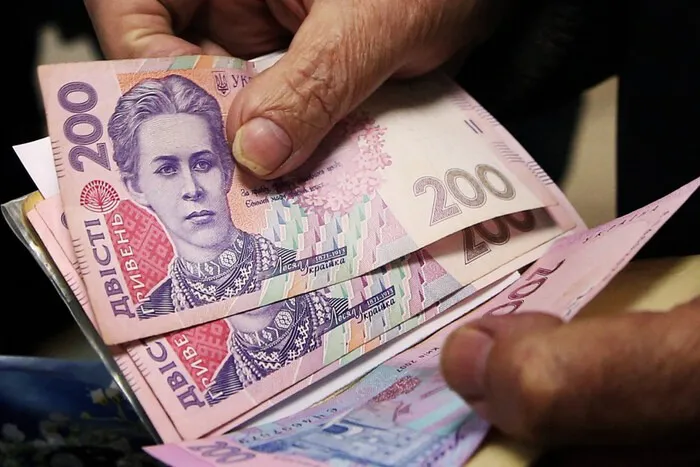
В Україні різниця між мінімальними та максимальними пенсіями досягла критичної межі. Люди, які працювали все життя, змушені виживати на 2–4 тисячі гривень щомісяця, тоді як окремі категорії, зокрема колишні судді та прокурори, отримують пенсії, що перевищують 100 тисяч гривень. Про це написав голова фінансового комітету Верховної Ради Данило Гетманцев.
За його словами, така диспропорція є несправедливою, і настав час переглянути всю систему пенсійного забезпечення. “Є пенсіонери, які отримують 2 300–4 000 гривень. І є ті, хто отримує понад 100 000 гривень, причому мова не йде про військових, а про людей, які скористалися посадою і пішли на пенсію у 35 років”, – заявив він.
Пенсійна прірва: статистика і контрасти
Середня пенсія в Україні становить 6 341 гривню. Водночас, як зазначає Гетманцев, 36% усіх пенсіонерів живуть на суму менше 4 000 гривень. Це офіційні дані, які свідчать про глибоку кризу справедливості у системі.
У державному бюджеті на 2025 рік вже передбачено 34,3 мільярда гривень на виплати спецпенсій, які були призначені судами. І поки частина пенсіонерів стоїть у чергах за ліками, інші отримують виплати у десятки разів більші.
Урядові кроки та майбутні зміни
Ще у 2024 році Рада національної безпеки та оборони ухвалила рішення впорядкувати спецпенсії. Відповідний указ уже підписано. У Верховній Раді готують до другого читання законопроєкт №12278, що передбачає скасування спецпенсій для прокурорів.
Гетманцев переконаний, що пенсійна система має будуватись на єдиних принципах, а не залежати від зв’язків чи посад. На його думку, підвищення мінімальної пенсії до 4 000 гривень — цілком реалістична мета. Але для цього потрібно детінізувати ринок праці та перерозподілити ресурси у межах соціальної системи.
Пенсійна справедливість і війна
Політик нагадав, що Росія почала війну проти України ще у 2014 році, коли країна тільки-но почала оговтуватися після економічного спаду. Відтоді значна частина державного бюджету йде на оборону, а не на розвиток соціальних програм.
“У нас немає вибору: ми змушені фінансувати армію. Але це не означає, що ми маємо миритися з несправедливістю всередині держави”, – підсумував Гетманцев.