In the face of economic uncertainty, Ukrainians are once again faced with a choice: keep savings “closer to the body” in cash or entrust them to banks at interest? Experts have analyzed the market situation and given a clear answer: the strategy depends on whether you want to simply save money or make it work.
Deposits: how to beat inflation?
In 2026, bank deposits in the national currency remain the favorite in terms of profitability. Rates on hryvnia deposits are now among the highest in recent years, within 13–17% per annum.
Even taking into account taxes, the net income from such a deposit is about 11–12%. This means that a hryvnia deposit not only compensates for the level of inflation, but can also bring real profit. Your money does not melt, but multiplies. On the other hand, foreign currency deposits (dollar, euro) lose this race. Their rates fluctuate within 1–3%, which often does not even cover the global inflation rate.
Cash: the illusion of security
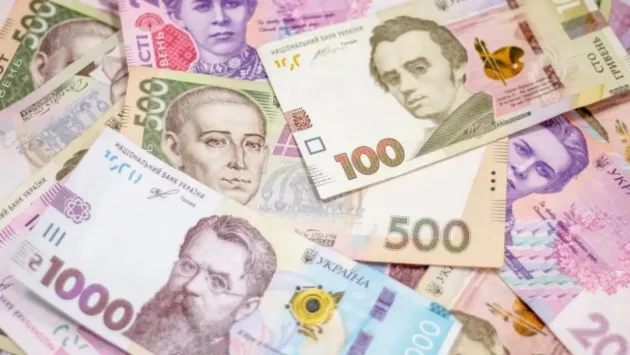
Keeping money at home gives a feeling of quick access and control. However, economists warn about the main risk – silent depreciation. While money is lying idle, rising prices “eat up” its purchasing power. This also applies to the cash dollar, which Ukrainians are accustomed to considering a protective asset. It is also subject to inflation, and a large amount of cash at home does not bring any economic benefit.
What do experts advise?
Economists suggest dividing capital depending on goals:
For growth: if you will not need the funds in the near future, a hryvnia deposit is the best choice in 2026.
For a “rainy day”: it is worth leaving a certain part of your savings in cash (in hryvnia and foreign currency). This is a reserve for emergencies when access to the banking system may be limited.
Cash is about peace of mind,
and a deposit is about protection against depreciation.