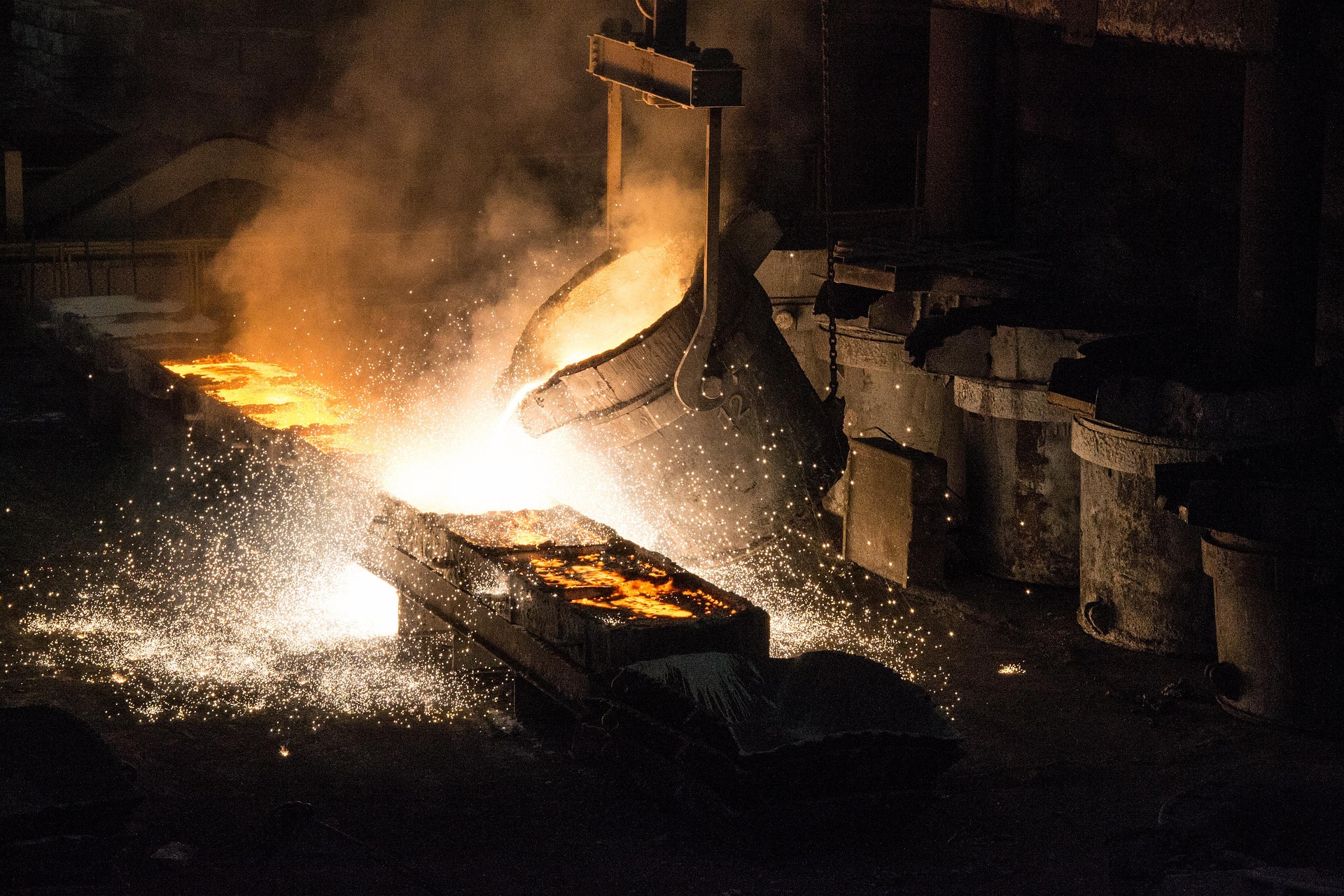
Ukrainian steel industry, which has been maintaining production under Russian attacks for the fourth year, has received a new serious challenge. Since July 1, the European Union has reduced duty-free quotas for Ukrainian steel imports by almost half, and products above the established limits are subject to a 50% duty. For an industry that is largely dependent on the European market, this could be no less of a problem than production disruptions due to Russian attacks. This is reported by Reuters.
Ukrainian steel provides about 15% of the country’s total exports, with about 80% of this production going to the EU. According to the Kiev-based GMK Center, the new quota for Ukraine is about 1 million tons per year – 60% less than the volume of trade in 2025.
“Now the situation is changing fundamentally. Instead of support from the European Union, we are faced with restrictions,” Metinvest Chief Operating Officer Oleksandr Myronenko told Reuters.
One of Ukraine’s largest steel plants, Zaporizhstal, continues to operate despite regular Russian strikes. The plant is experiencing damage, shutdowns, and restarts. But now the company is having to calculate not only the losses from the war, but also how much of its products it can sell in Europe without huge additional duties. One option is to increase the production of pig iron, which is not subject to the new European quotas. But this comes at a price.
According to Mironenko, if the plant switches to semi-finished products, about 50% of its production capacity will remain unused. This will also create a problem with employee employment. Metallurgists are also suffering from logistics problems. Due to the virtual shutdown of the main Black Sea route for metallurgical cargo, companies are having to use alternative European ports. Metinvest estimates that the delivery of coking coal via such routes costs an additional $30–40 per ton. And since August, domestic railway tariffs in Ukraine have increased by another 30%, putting an additional burden on manufacturers.
“A lot of different things have to happen for us to survive until the end of the year,” said Ukrmetallurgprom President Oleksandr Kalenkov, urging Ukraine to seek exemptions from the new trade restrictions.
According to the Ukrainian Employers’ Federation, the new EU rules could cost the country up to $1.2 billion in export revenue and reduce GDP by about 0.6%. The organization is calling on Kyiv to agree with Brussels on an exception for Ukrainian steel or create a separate import regime. The problem for Ukrainian manufacturers is not limited to quotas. Since January 1, the EU has also implemented a carbon adjustment mechanism for imports – CBAM, which provides for a fee for emissions associated with the production of imported products. The European side explains the new rules by the need to protect its own producers and prevent so-called carbon leakage when production is moved to countries with less stringent environmental requirements. This is a particularly difficult moment for Ukrainian metallurgy: modernization of enterprises during the war has been put on hold.
Metinvest previously estimated a long-term modernization plan of $8 billion and expected to switch to the production of completely “green steel” within 15 years. But now the implementation of such a project in wartime is unrealistic.
“As of today, it is unclear what will happen next, and investments in the development of metallurgy are limited, so there are risks,” said Artem Kalynevych, senior foreman at Zaporizhstal.
At the same time, the plant continues to operate. And this, according to the Reuters authors, best describes the current state of Ukrainian metallurgy: the industry is not yet thinking about large-scale growth – it is trying to maintain production, people and exports, while simultaneously adapting to the war and the new rules of the main foreign market.