Updated agreement with the IMF
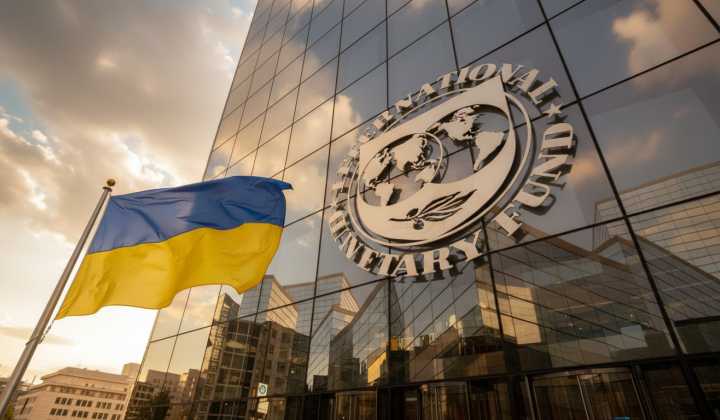
As reported by Khvylia: The Ukrainian government has published details of the updated agreement with the International Monetary Fund, which provides for the transformation of fiscal policy. The agreement became the basis for receiving a tranche of $ 1.5 billion. One of the main tools for combating shadow business has been identified as the National Revenue Strategy, which aims to improve the fiscal system.
Key measures of the agreement
Among the key measures planned under the agreement is a full audit of the Tax Code in order to identify hidden benefits. The government also refuses to create new incentives. By April 2026, the Verkhovna Rada must adopt a law that will abolish VAT exemption for simplified tax payers. From January 1, 2027, VAT registration will become mandatory for entrepreneurs who exceed the limit of 4 million hryvnias.
In 2026, a bill will be submitted to parliament that will prohibit the use of the second group of the single tax for activities with a high risk of concealing employment relationships. This applies to professions such as IT services, accounting, marketing and law. For these categories, higher differentiated rates will be introduced in the third group of the single tax. The authorities also plan to limit the practice of artificially splitting large companies into several small individual entrepreneurs.
According to the memorandum of understanding with the IMF, “increasing the basic VAT rate is considered the most effective option for mobilizing resources in the event of budget shocks.” These measures are designed to stabilize the economy and ensure transparency in Ukraine’s fiscal policy.
The renewed agreement with the IMF is an important step for Ukraine in the context of economic stability and the fight against shadow business. The introduction of new fiscal measures, such as the audit of the Tax Code and mandatory registration of VAT payers, could significantly reduce the shadow economy and increase budget revenues. These changes are aimed at creating a more transparent and efficient fiscal system, which is critical for the country’s further development.