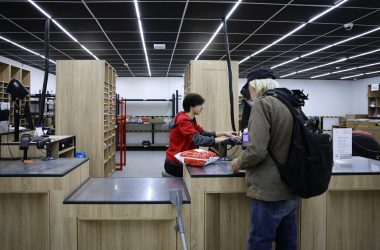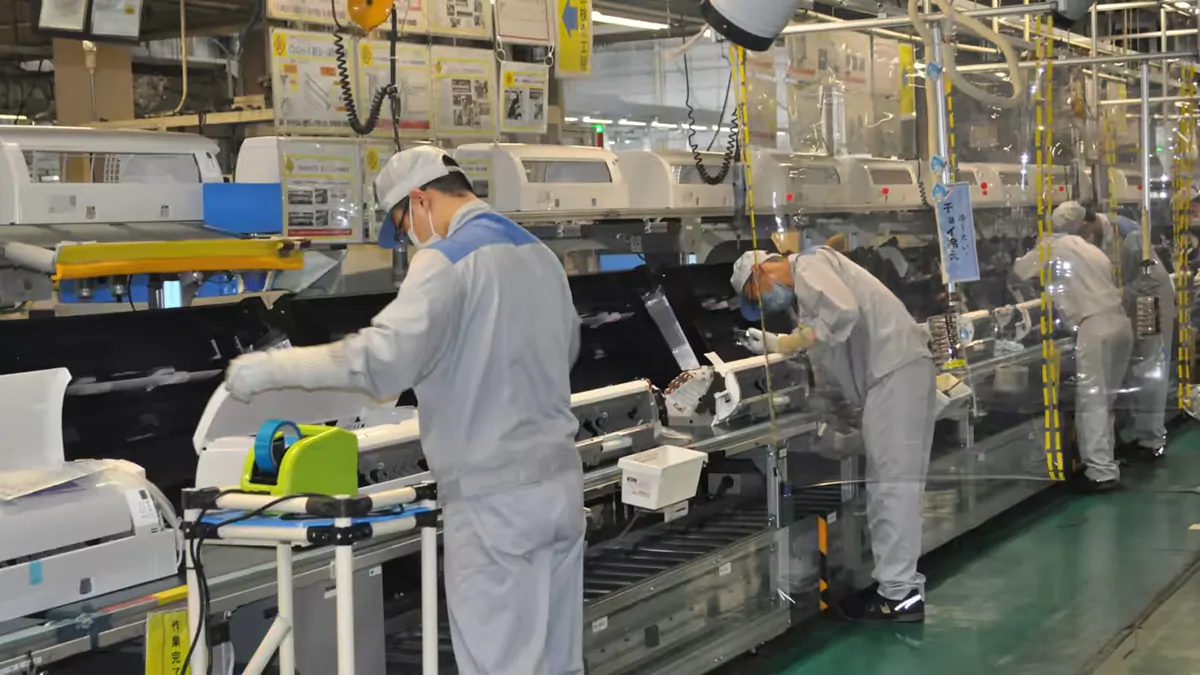
According to Puls Biznesu, Ukrainian citizens are increasingly creating their own businesses, changing the country’s economic landscape. Between January 2022 and the end of 2024, they founded approximately 77,700 new companies, which is almost 9% of all newly created businesses in Poland.
The role of support programs that make it easier for Ukrainians to do business is particularly important. In particular, the European Bank for Reconstruction and Development has allocated 2 million euros to help refugee entrepreneurs. Grants of up to 30,000 euros cover the full cost of consulting services in the field of marketing, digital technologies, branding and innovation. In addition, the program encourages companies to hire Ukrainian workers, thereby supporting the integration and economic independence of refugees.
Changes in the image of Ukrainians in Poland have become obvious. They are no longer just builders or service workers – they are innovators, employers, entrepreneurs. Their businesses are mainly in the service sector, but there are also initiatives in technology and manufacturing. The Polish market is gradually opening up to new ideas brought by Ukrainians, which is changing the rules of the game for both sides.
Expert assessments confirm that Ukrainian refugees are not a burden, but a resource. In 2024, their share of the employed population reached 69%, which is only slightly lower than the Poles (75%). According to Deloitte and UNHCR, the presence of Ukrainians contributed to the growth of Polish GDP by 2.7%. They support employment, increase productivity and stimulate consumption. As Kevin J. Allen of the UNHCR notes, “anyone who considers refugees a burden on the economy should think again.”
Despite the positive changes, challenges remain. A significant proportion of educated Ukrainians work below their level of qualification, and the language barrier holds back their potential. According to experts, removing such barriers could bring an additional PLN 6 billion to the Polish economy every year. Therefore, further support aimed at training, recognition of diplomas and adaptation to the labor market is the key to sustainable development for both Poland and Ukrainian newcomers.