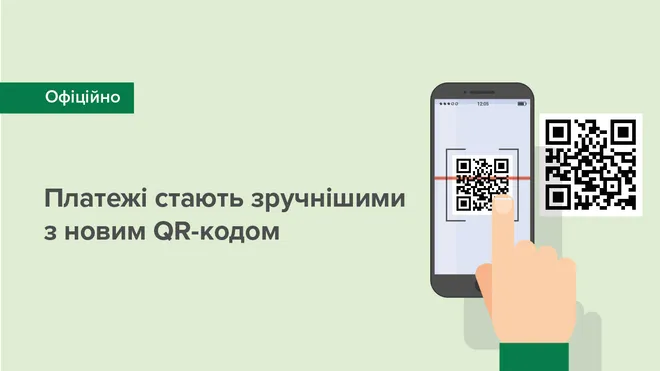
Вже з 1 листопада 2025 року продавці в Україні зможуть приймати оплату не за номером рахунку чи IBAN, а за допомогою QR-коду. Це передбачено постановою Нацбанку №97, яка уніфікує правила створення, передачі та обробки QR-кодів у платіжних застосунках банків. Про це пише 7eminar.
За словами директора департаменту платіжних систем та інноваційного розвитку НБУ Андрія Поддєрьогіна, нововведення спростить безготівкові розрахунки для користувачів і бізнесу. Відтепер QR-код стане універсальним інструментом для миттєвих платежів, у тому числі в інтернет-комерції.
Які зміни в оплату за товари та послуги принесе QR-код від НБУ
Що зміниться:
- кожен користувач банківського застосунку отримає функцію сканування QR-кодів просто з головного екрана;
- кожен QR-код матиме єдиний логотип — знак гривні на білому фоні для швидкої ідентифікації способу оплати;
- на одному мобільному пристрої можна буде не лише сканувати, а й генерувати QR-коди, обмінюватися ними між застосунками та ініціювати миттєві перекази;
- торговці зможуть передавати через QR-код ідентифікатор місця продажу або конкретного рахунку, що спростить облік оплат у бухгалтерських системах;
- підприємці матимуть змогу «захищати» поля у платіжній формі — наприклад, фіксувати суму, яку не можна змінити під час оплати.
- QR-код для оплати зменшує кількість помилок
Такий формат замінює традиційне введення реквізитів вручну і знижує ризик помилок під час платежів. QR-коди дозволять покупцю просто відсканувати зображення в магазині, на екрані касира або на сайті, після чого платіж автоматично підтягнеться у банківському застосунку.
Способи приймання оплати для бізнесу
У НБУ пояснюють, що це крок до побудови відкритої екосистеми миттєвих платежів. Вона передбачає, що бізнеси зможуть приймати оплату кількома способами:
- через власну систему «селф-еквайрингу»;
- за класичною схемою еквайрингу;
- або завдяки технологіям відкритого банкінгу.