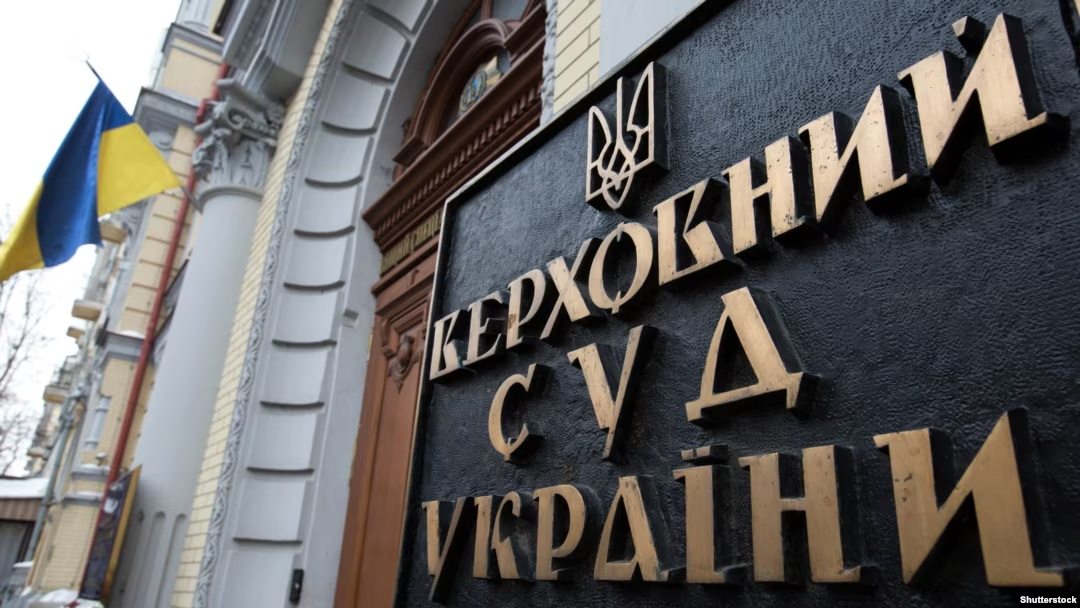
On March 18, 2026, the Cassation Administrative Court of the Supreme Court adopted a decision confirming the legality of the assessment of a multi-million-ruble fine to a large industrial enterprise for delaying the payment of income tax. The court recognized that martial law is not an automatic basis for exemption from liability, and the presence of funds in the payer’s accounts subject to non-payment of the tax obligation indicates the intentional nature of the offense.
The court established that if the company’s bank accounts during the period of delay had funds sufficient to repay the debt, such inaction is qualified as intentional. Directing resources to operating expenses, such as wages or the purchase of spare parts, instead of fulfilling an unconditional tax obligation, entails liability under clause 124.3 of the Tax Code in the amount of 50% of the debt.
Reference to force majeure and a general letter of the Ukrainian Chamber of Commerce and Industry without providing evidence of an individual causal connection does not exempt from fines. For a legitimate postponement of obligations, the payer had to submit a corresponding application under Order No. 225 by September 30, 2022; the absence of such an application in court is interpreted as confirmation of the ability to fulfill tax obligations on time.
To understand the changes in detail and take them into account in your work, read the full analysis of the legal position of the Supreme Court. This will allow businesses to provide proper documentary support for their position and avoid significant financial sanctions in disputes with regulatory authorities.