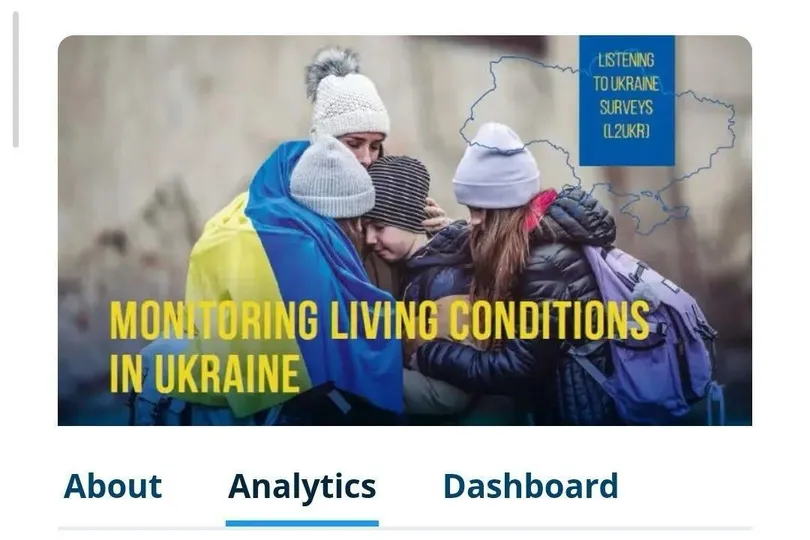
In 2026, the poverty rate in Ukraine remains critically high at approximately 41%. Despite the continued provision of pensions and social assistance, one in four of the least affluent families struggles to pay for utility services, and a quarter of such households are forced to consume less food than they require. These findings come from a World Bank assessment. As winter approaches, financial hardships are intensifying due to additional costs associated with heating and meeting basic needs.
Poverty in Ukraine: Nearly Half the Population Remains Below the Threshold of Financial Stability
According to preliminary World Bank estimates, the poverty rate in Ukraine in 2026 stands at approximately 41%—a figure nearly unchanged from the previous year. The continued payment of pensions and social benefits has been a key factor in preventing a further deterioration of the situation. For a significant number of Ukrainian families, state support remains the primary source of funds for purchasing food and medicine, as well as paying for housing and utility services. At the same time, even these payments are not always sufficient to cover all essential expenses.
One in Four Low-Income Families Struggles to Pay Utility Bills
The financial situation of households remains difficult. A survey conducted in the third quarter revealed that 26% of Ukrainian families have no savings whatsoever. Among the 20% of the least affluent families, the situation is even more severe, with 35% having no savings at all. This means that even an unforeseen expense could pose a serious financial challenge for such families. Furthermore, nearly one in four families in this group was unable to pay their utility bills on time during the 30 days prior to the survey.
Ukrainians are cutting back even on food
A lack of funds directly impacts quality of life. A quarter of the least affluent families reported that, over the course of a month, they consumed less food than they deemed necessary. About half of the households in this group were forced to limit their diet to only a few types of food items.
Thus, while the overall poverty rate has remained virtually unchanged, the daily situation for the most vulnerable Ukrainians has deteriorated. For many families, “cutting back” no longer applies to discretionary purchases, but rather to basic necessities—food, medicine, and utility services.
Winter exacerbates the problem: families lack the funds for heating
The cold season presents an additional challenge for Ukrainians. Nearly a quarter of internally displaced persons and nearly a quarter of the least affluent families reported that they lacked adequate heating in their homes throughout the winter or for the better part of the cold season. With no savings to fall back on, heating costs become a particularly heavy burden. Families are forced to choose between paying utility bills, buying food, and covering other essential expenses. The war has already deprived many Ukrainians of their homes, jobs, and familiar ways of life. For those facing difficult circumstances, a lack of funds for basic necessities only deepens their social vulnerability. Why State Social Support Remains Critically Important
Given the high level of poverty, the state must continue to fund pensions, social assistance, and housing subsidies. At the same time, the issue is not merely about maintaining existing payments, but also about raising social standards to align with the actual needs of the population. Low-income families, internally displaced persons, pensioners, and other groups who rely most heavily on state support require particular attention. Preserving social protection during wartime remains one of the state’s key tasks. After all, behind the poverty statistics lie millions of people for whom the ability to buy food and medicine, or to keep their homes warm, has become a daily challenge.